
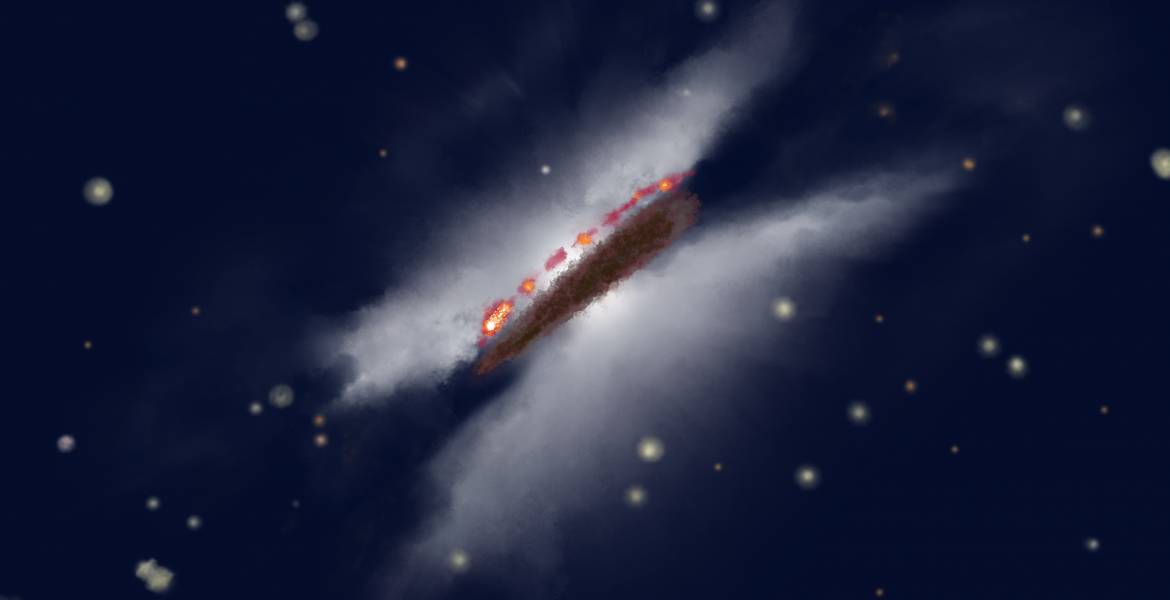
Astronomers using the Atacama Large Millimeter/submillimeter Array (ALMA) were surprised to discover the very earliest phases of giant planet formation between the dense layers of gas and dust in the “Gomez’s Hamburger” system, referred to as GoHam.

We transform ideas into technologies, laboratories and policies that initiate, inform and inspire. For over seven decades, AUI has developed specialized expertise in science, engineering, technology and cyber security to enable greater impact. Uniquely positioned, we combine exceptional operations management with collaborative community engagement, drive innovation and affect lasting change within organizations.
We create an environment where innovation, imagination and people thrive. Even in the harshest desert terrain, discovery flourishes at ALMA Observatory, where AUI has led an international partnership with Europe, Canada, Japan, South Korea, Taiwan and Chile. The $1.4 billion project is a monumental achievement for space exploration and collaborations.
Astronomers using the Atacama Large Millimeter/submillimeter Array (ALMA) were surprised to discover the very earliest phases of giant planet formation between the dense layers of gas and dust in the “Gomez’s Hamburger” system, referred to as GoHam.
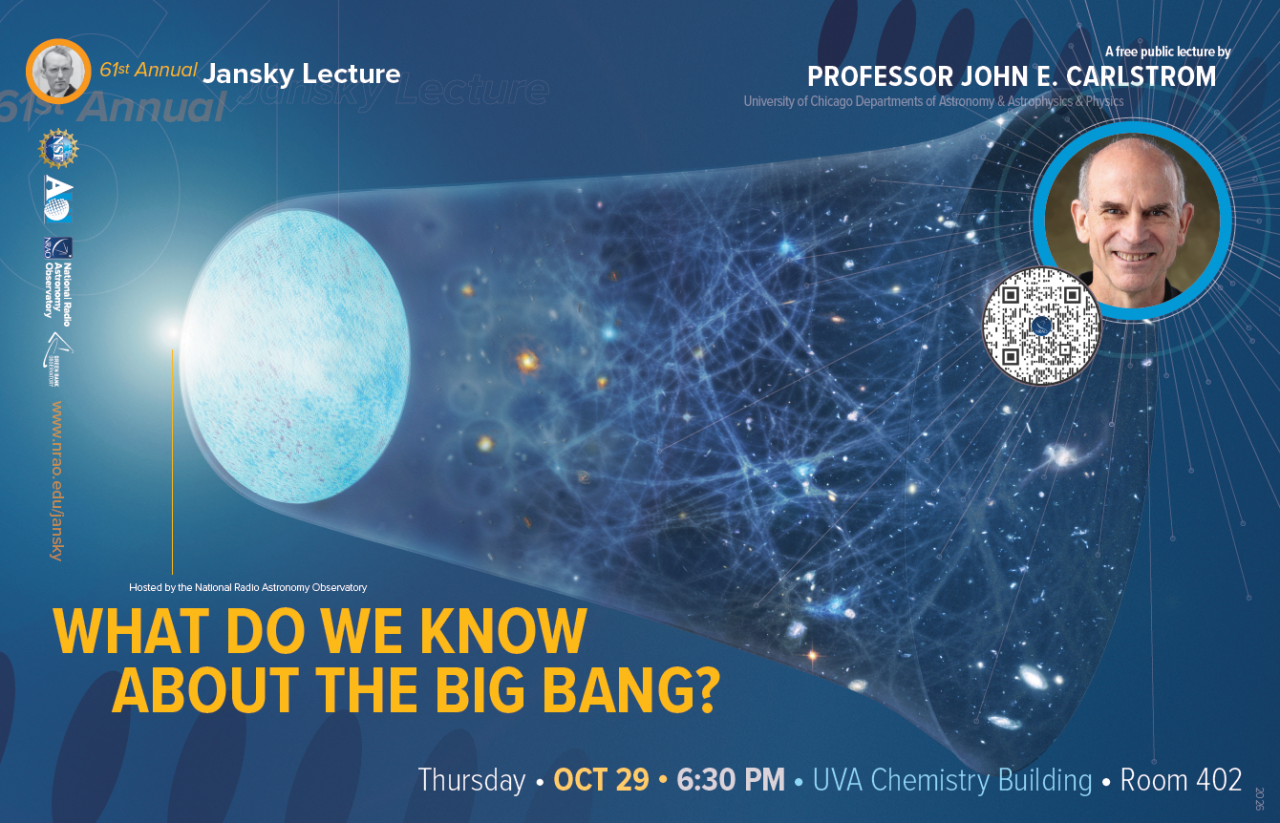
Carlstrom will present his talk: “What Do We Know About The Big Bang?” to the public on three dates, along with a recording that will be shared on the NSF NRAO’s YouTube channel.
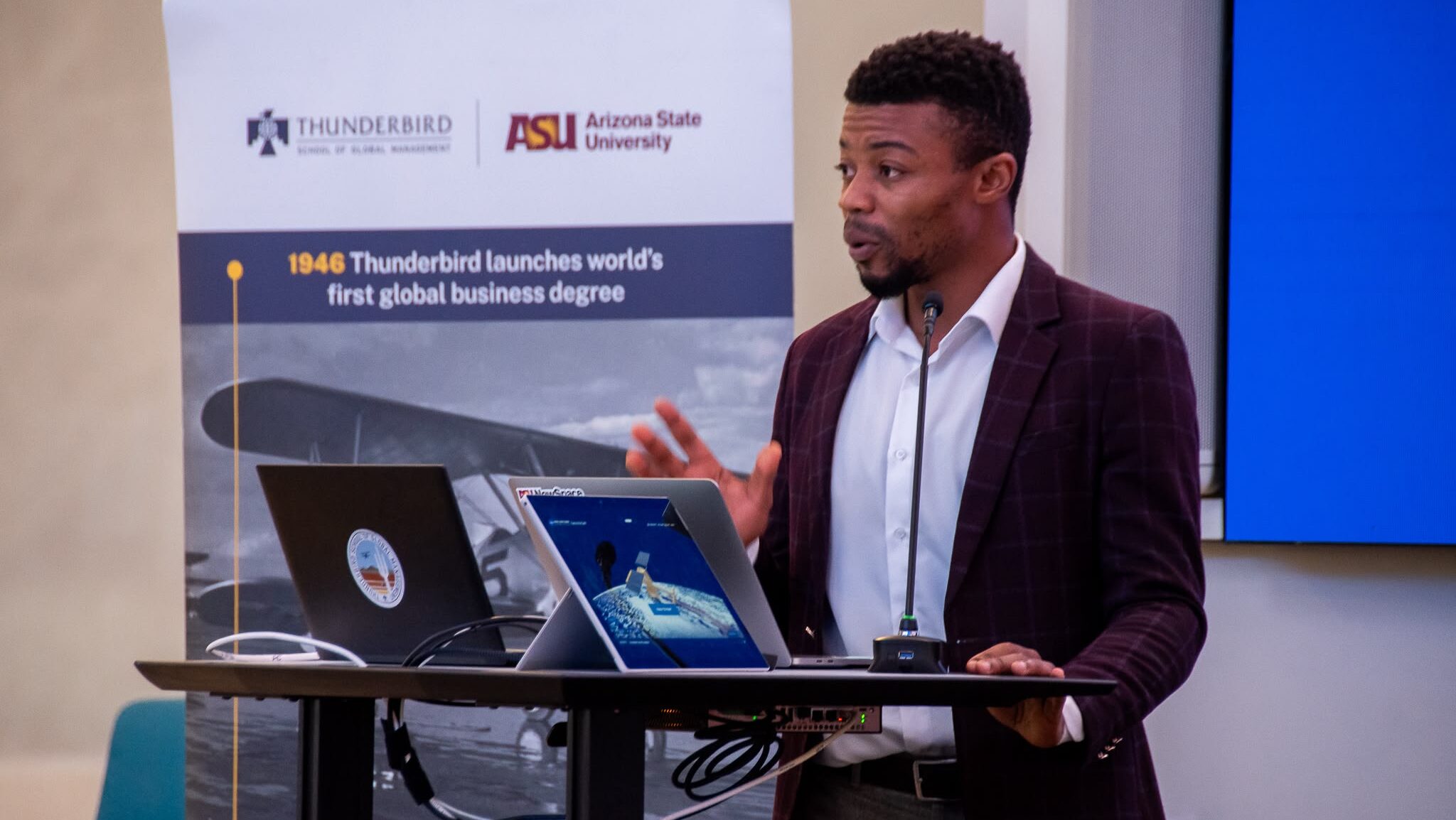
Meet Desmond Wysenyuy, program coordinator for the North American Regional Office of Astronomy for Development.